北京星火站泛海商业中心,北京,中国
本项目的用地位于北京市区东四环附近,计划在30hm2的基地上开发连接北京和沈阳的高铁车站和从北京市市区延伸而来的地铁线路上的新车站,并建设与新地铁站一体化的复合开发项目。
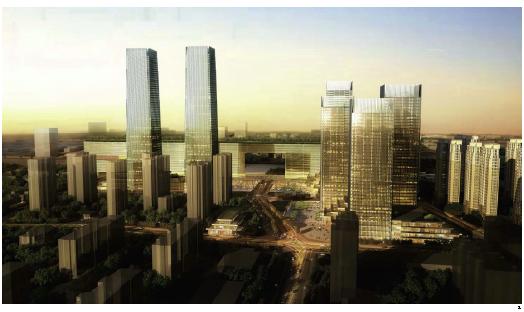
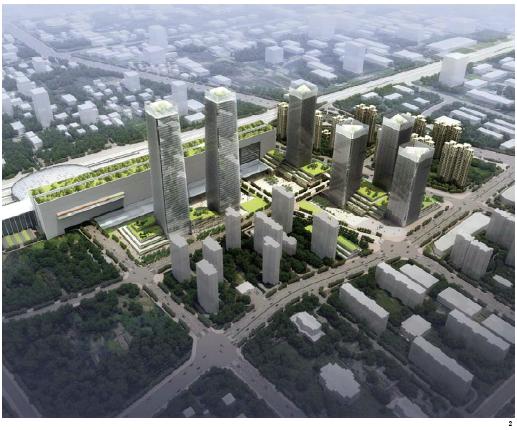
项目最大的特征在于将车站与周边的地区联系起来,形成一体化的空间,同时,让包括高铁和地铁的换乘旅客在内的所有车站的使用者都能融入地区的开发中去。此外,还希望能立体化地复合建设各功能空间,让抱着各种目的的人群能在工作日和休息日都来到这里,使此地成为能供人们交流、充满活力的热闹地区。
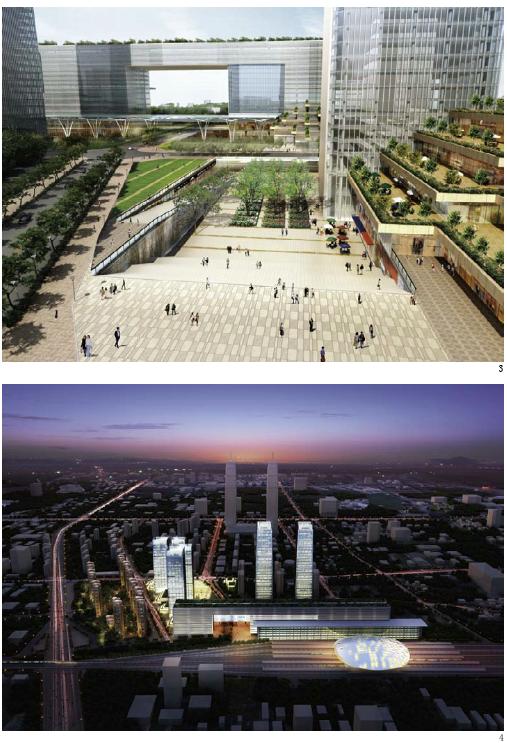
对于预计会随着开发项目增加的交通流量,则设想在地下设计多层结构的空间、通过设计合理的交通流线加以处理。规划希望让铁路、地铁、公交车等公共交通和一般车辆都能与连接车站和周边地区的大广场相接,形成让众多的使用者能顺畅、舒适地移动的交通系统。此外,还希望能通过将地下车道和周边地区中的停车场的连接,缓和项目开发带来的地面交通的拥堵现象。
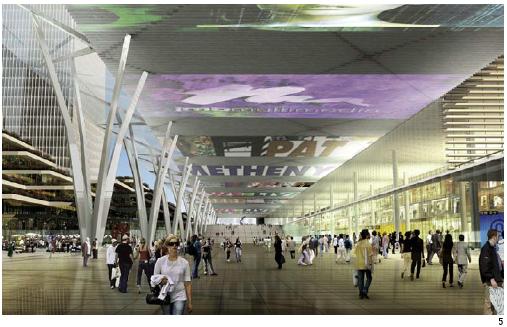
在景观问题上,设计希望创造与项目的北京东面门户形象相呼应的具有动感的景观。车站采用风格化的低层板状造型,高层建筑群的整体造型则以站前的双塔建筑为中心向四周平缓下斜,形成优美的天际线,以及让人印象深刻、具有地区象征性的建筑群形象。□(司马蕾 译)
This 30 hectare site lies adjacent to the Fourth Loop Expressway, east of central Beijing, and is planned to accommodate both a new rapid transit rail station connecting Beijing with Shenyang and a new station for the extension of the metropolitan subway linking to central Beijing. The plan seeks to fully integrate these railway stations into a mixed-use development.
A particular feature of the project is the connecting public space that unifies the stations and the surrounding developments whereby those using the stations, including commuters transferring between rapid transit rail and subway, are drawn through the development. Further, by combining the various functions three-dimensionally, the project sets a platform to encourage the people visiting the site throughout the week for their many various activities, to interact in an abundantly lively and vibrant atmosphere.
To accommodate the increased traffic expected to accompany the development, a multilayered structure utilizing underground space efficiently organizes the various routes of traffic circulation.By integrating the various rail, subway and bus public transportation systems as well as vehicular traffic with the grand plaza linking the stations and the surrounding development, a transportation system allowing smooth and comfortable movement of many people is achieved. By connecting the car parks of the development with underground roadways, congestion of the above-ground traffic that associated with the development is mitigated.
From a spatial planning perspective, an appropriate dynamic landscape is established for this new eastern gateway into Beijing city. The station buildings are expressed as flat, low-rise forms, while a cluster of towers form an elegant skyline that gently rises up to the central twin towers in front of the station, creating a symbolic townscape that leaves a lasting impression on its visitors.
用地面积 /Site Area: 30hm2
建筑类型/Building Type: 办公、酒店、商业与文化设施、
车站、居住/Office, Hotel, Commercial, and Cultural Facilities, Station, Residential, etc.
1 西向主要透视图/Main perspective west side view
2 西北向鸟瞰/Bird’s eye view northwest
3 从广场看相连的街区/Connecting blocks view from square
4 城市标志与动态景观/City’s icon and dynamic scenery
5 商业空间与交通空间的整合/Integration of commercial space and transit space


























 京公网安备 11010202007575号